1. Begin with the crop and climate
Leafy vegetables, seedlings, flowers, livestock areas and greenhouse roofs do not require the same light reduction. Record the crop, season, location, installation height and whether the net will be fixed or retractable before choosing a shade rate.
2. Compare shade rate and GSM separately
Shade rate describes how much light is blocked. GSM describes material weight per square metre. A higher GSM does not automatically mean the correct shade percentage, so both values should appear on the quotation and sample confirmation.
3. Match UV stabilization to the destination
Outdoor service life depends strongly on solar radiation, temperature, resin quality, stabilizer package and mechanical stress. Tell the supplier the destination country and expected working life instead of requesting only a generic UV-treated net.
4. Confirm roll and edge details
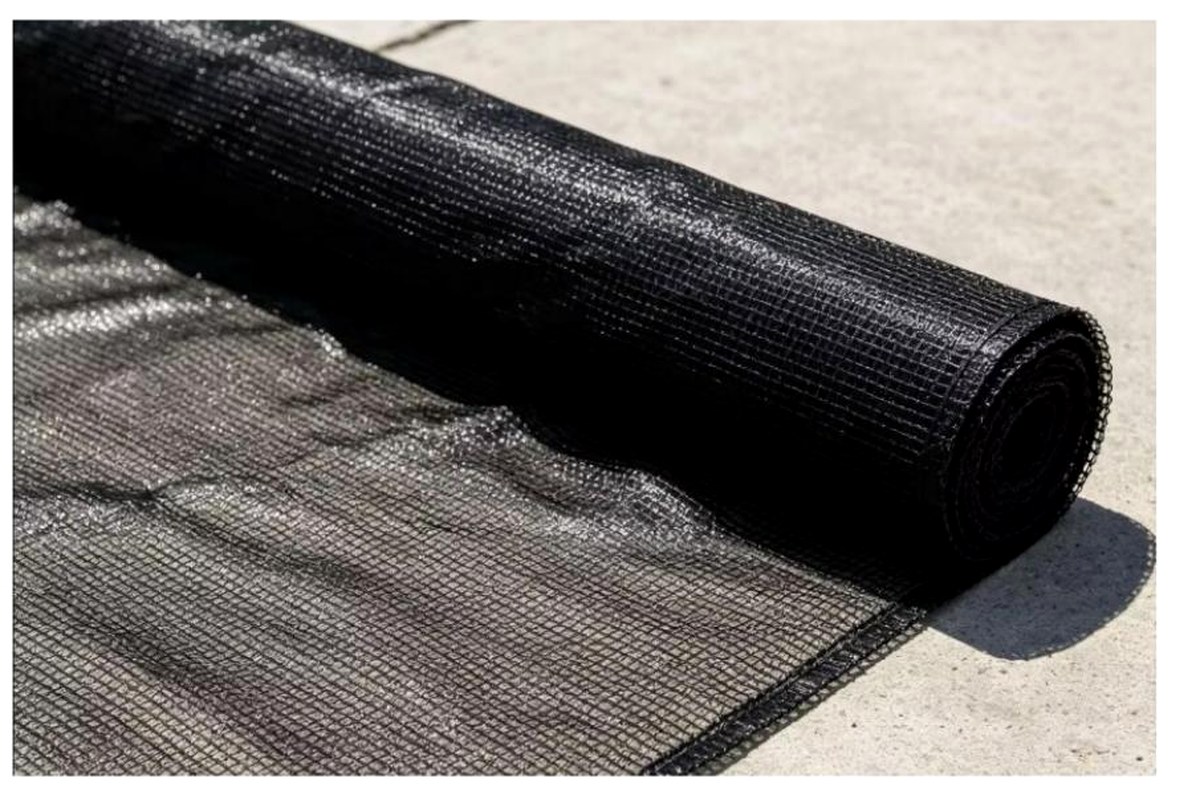
Specify finished width, roll length, color, reinforced edges, eyelets if needed, individual roll packing and pallet requirements. These details affect installation, loading quantity and landed cost.
A useful enquiry checklist
Send the crop, destination, required shade rate, preferred GSM, roll width and length, color, edge treatment, total quantity and target service life. A physical sample should be checked before a bulk order.
This guide provides general purchasing information. Final performance, specification and commercial terms are confirmed in the quotation and sales contract.